Step 1
Infill Inspection and Assessment
We walk the surface and assess infill levels across the installation — identifying low zones, migration patterns, and areas where infill loss is affecting surface performance.
Loading...
Service Detail
Artificial turf infill replenishment for Deer Park residential yards, pet turf systems, and athletic facilities — restoring surface performance and fiber support through Gulf Coast conditions.
Main Introduction
Infill is the layer of material — typically a blend of coated sand and rubber crumb — that sits between the turf fibers and serves several essential functions. It weighs the turf backing down, holds fibers upright, provides cushion underfoot, and contributes to the drainage rate of the overall system. Over time, infill migrates. Gulf Coast rain events wash fine particles toward drainage exit points. High-traffic paths compress and displace infill from peak-use zones. Pet use concentrates infill migration in specific areas. Without periodic replenishment, infill levels drop to the point where fiber support fails, surface feel changes noticeably, and in extreme cases the backing begins to show.
Artificial turf infill replenishment in Deer Park, TX addresses the natural migration and loss that every turf installation experiences over time. Deer Park's combination of heavy seasonal rain events and Texas clay-based soil conditions creates an environment where infill management matters more than in drier, flatter-terrain markets. Proper infill levels are the difference between a turf surface that looks and feels right years into its life and one that looks tired and plays poorly despite a structurally sound backing.
For Deer Park ISD athletic facilities and community sports fields, infill management directly affects field performance. Infill below target depth in high-traffic zones changes shock absorption characteristics, affects foot traction, and creates inconsistent play conditions across the field surface. We assess infill levels across the full field — not just the obvious high-traffic paths — and replenish to designed depth specifications.
For residential yards in Heritage Park, Battleground subdivision, and Old Deer Park, infill replenishment is typically identified during annual maintenance inspection and addressed as part of a service visit. For pet turf systems, infill inspection is more frequent because pet use creates localized migration patterns that can develop quickly in heavily used zones. We assess the specific infill situation at each property and replenish to the levels that the original installation or the current use conditions require.
What Is Included
Infill replenishment with Artificial Turf of Deer Park begins with a surface inspection to assess infill levels across the installation. We look for migration patterns, low zones, and areas where infill loss is affecting fiber posture or surface feel before determining the replenishment scope and specifying the appropriate infill material.
Replenishment service covers infill delivery, distribution across the surface in targeted areas and uniform layers, mechanical incorporation into the fiber pile, and final surface brushing to restore fiber posture after distribution. Post-service inspection confirms infill levels and surface consistency.
For pet turf systems, replenishment uses antimicrobial-treated infill to maintain the odor management performance of the original installation.
Process Steps
Step 1
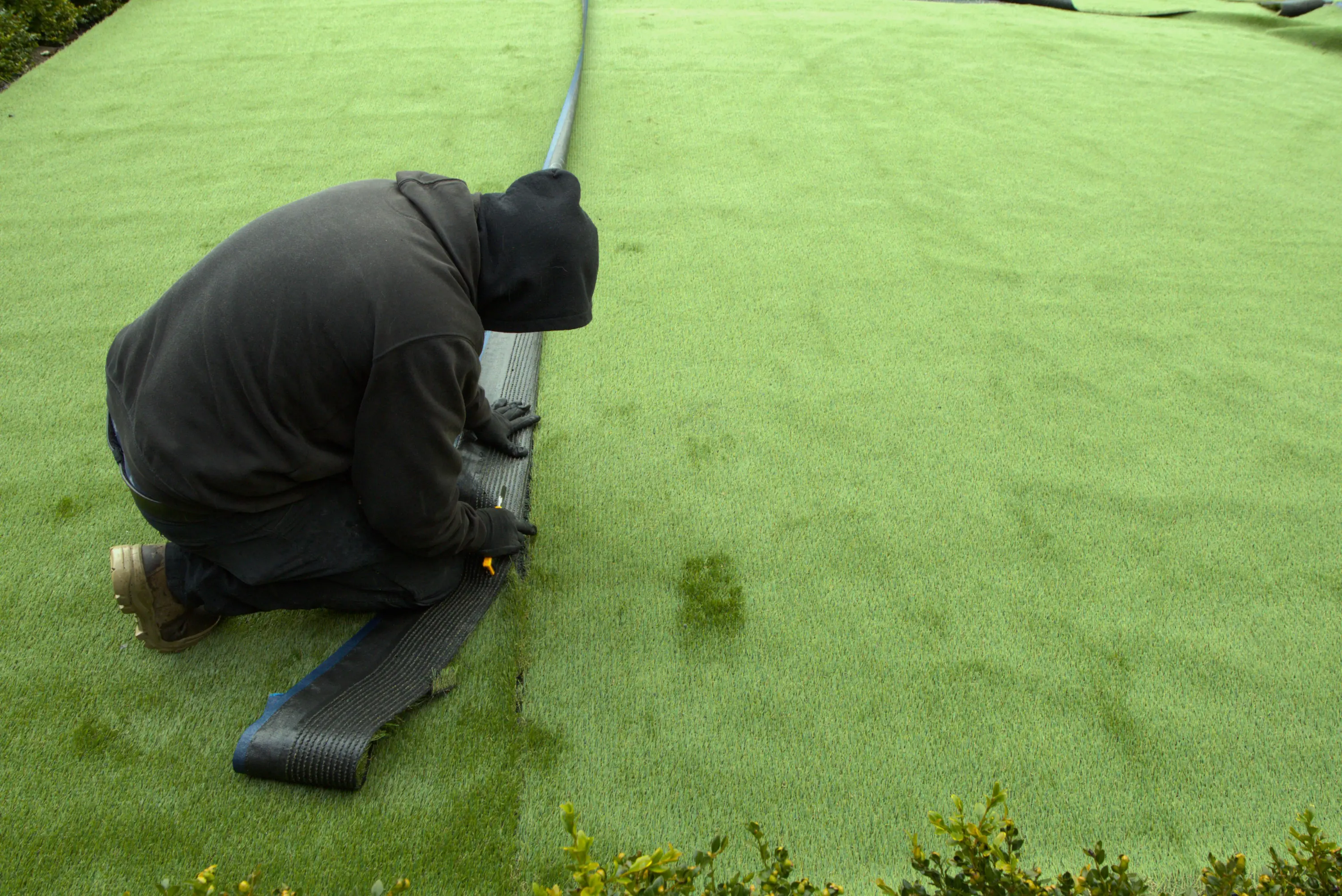
We walk the surface and assess infill levels across the installation — identifying low zones, migration patterns, and areas where infill loss is affecting surface performance.
Step 2
The appropriate infill type is matched to the original installation spec or the current use requirements. Pet turf receives antimicrobial infill; athletic surfaces receive sport-appropriate infill.
Step 3
Infill is distributed to low zones and spread across the surface. Mechanical incorporation works the infill down into the fiber pile to the designed depth.
Step 4
After infill distribution and incorporation, the surface is brushed to restore fiber upright posture and ensure consistent appearance across the replenished areas.
Step 5
Infill levels are checked after distribution and the property owner receives guidance on monitoring infill levels and reducing migration through routine maintenance habits.
Use Cases
Infill replenishment serves Deer Park turf installations across all applications where infill migration or loss has affected surface performance over time.
For Deer Park homeowners whose annual maintenance inspection has revealed infill migration from heavy seasonal rain events, particularly in properties near bayou corridors or in low-drainage areas.
For pet turf installations where dogs have concentrated use in specific zones — runs, favorite spots — creating localized infill voids that affect the surface in those areas.
For Deer Park ISD campus fields and community athletic facilities where infill migration in high-traffic zones has created inconsistent playing surface conditions.
For Heritage Park and Old Deer Park yards where turf was installed five or more years ago and fiber flattening in traffic areas indicates infill replenishment is needed.
Why Choose
Infill replenishment is one of the most cost-effective ways to extend the life and performance of an existing turf installation. A surface that looks worn and plays poorly often needs infill replenishment more than it needs replacement. Artificial Turf of Deer Park diagnoses infill conditions honestly so Deer Park property owners can make informed decisions about service versus replacement.
For Deer Park ISD athletic facilities, accurate infill assessment and targeted replenishment maintains field performance standards without the cost and scheduling disruption of premature field replacement. For residential and pet turf customers, well-timed infill replenishment is the difference between a surface that lasts its designed lifespan and one that fails early.
We live in this community. The turf installations we replenish are often installations we or our colleagues installed — and we treat the continued performance of those systems as a reflection of the work quality we are committed to.
Pricing Factors
Infill replenishment pricing is based on the surface area, infill type, and volume determined during the inspection. We provide specific figures after the inspection so property owners understand the scope and cost before service begins.
Service Area Coverage
Artificial turf infill replenishment services cover all of Deer Park and the surrounding east Harris County area including La Porte, Pasadena, Channelview, Baytown, South Houston, Seabrook, Webster, League City, Clear Lake, Galena Park, and Houston east of Beltway 8.
Related Services
Frequently Asked Questions
Fiber flattening that does not recover with brushing, visible backing in worn areas, and a change in surface feel underfoot are signs infill levels have dropped significantly. Annual inspection catches migration before it reaches these symptoms.
Yes. Heavy Gulf rain events move fine infill particles toward drainage exit points over time. Properties in lower-elevation areas or near bayou corridors may need infill inspection more frequently than typical.
We match infill type to the original installation where appropriate. For pet turf, we use antimicrobial-treated infill. For athletic surfaces, we use sport-appropriate specifications. We review this with the property owner before service.
Yes. Infill replenishment is often the most efficient when combined with annual maintenance inspection, fiber brushing, and edge inspection so the full surface condition is addressed in one visit.
Call or submit the contact form with your property address. We will schedule an inspection and assess infill levels before determining the service scope.
Yes. Infill replenishment and maintenance services extend throughout the east Harris County service area including La Porte, Pasadena, Channelview, Baytown, and surrounding communities.
Final CTA
Submit the form with service type, property address, and timeline details. You can also call directly for scheduling support.
Call